
Responsible Breeding: What It Means at IRMADU Biewers
What responsible Biewer Terrier breeding really looks like — selective pairings, home-raised puppies, health screening and lifelong family support.
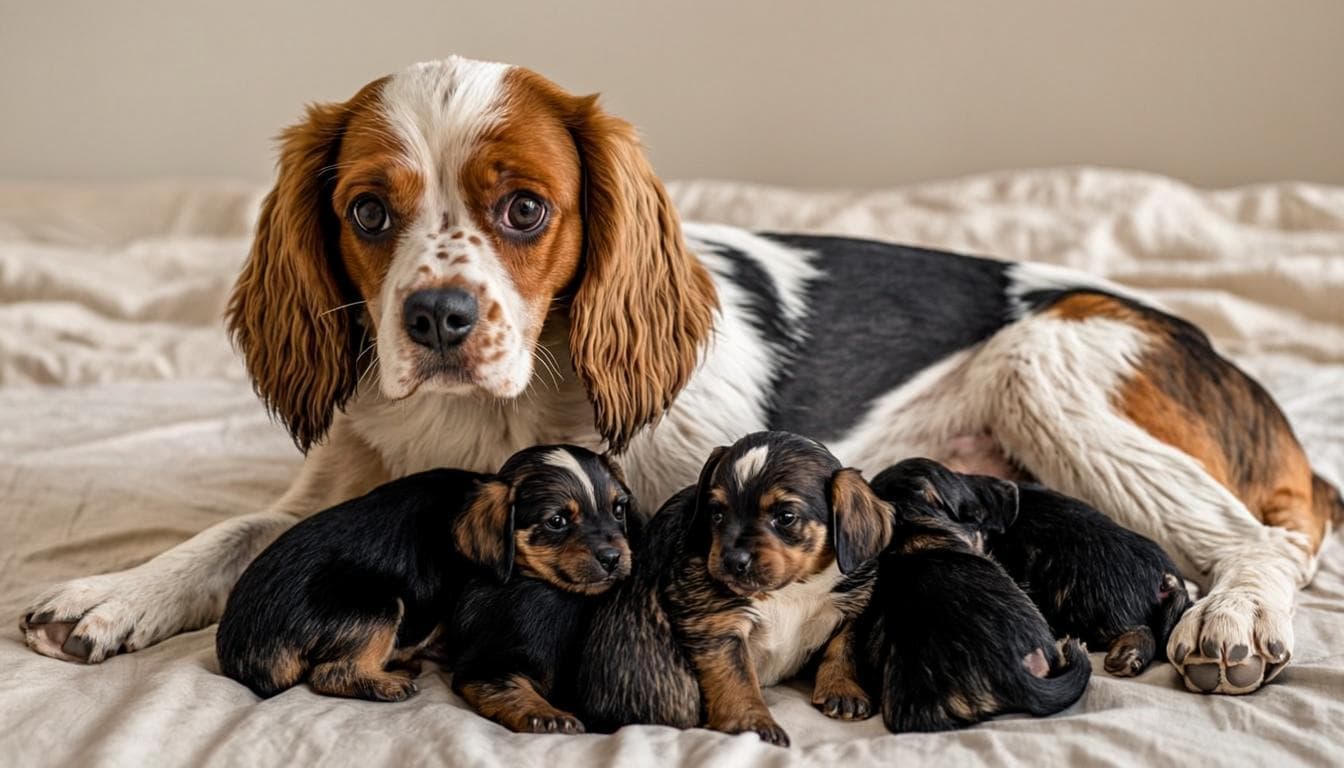
"Responsible breeding" is a phrase used often — and not always meaningfully. This article sets out, plainly and honestly, what responsible breeding means to us at IRMADU, what it does not mean, and the questions any prospective family should feel able to ask of a breeder.
What responsible breeding means
At its heart, responsible breeding means putting the wellbeing of the dogs and the suitability of each pairing ahead of frequency, convenience or demand. In practice that looks like:
- Selective, not frequent. A responsible breeder plans litters thoughtfully and selectively — pairing dogs whose temperament, health and conformation complement one another. A breeder who is always with litter, or who has many breeds on the go, is rarely breeding selectively.
- Health-first thinking. Parents are chosen with their health in mind. Honest breeders are open about what they test for, what they have found, and what they continue to monitor.
- Home-raised puppies. Puppies are raised in a home environment, handled daily, and exposed to the ordinary sights and sounds of family life. This early, gentle socialisation shapes confident, adaptable adults.
- Thoughtful family matching. A responsible breeder cares about where a puppy goes, asks questions of prospective families, and will say no when a match is not right — for the puppy's sake.
- Lifelong connection. A responsible breeder remains available to a family for the life of the dog: for advice, for help, and to take a dog back should circumstances ever change.
What responsible breeding is NOT
It is worth naming plainly what responsible breeding is not. It is not puppy farming. It is not breeding for volume or for the fastest possible sale. It is not selling a puppy to the first person who can pay, with no questions asked. And it is not the sale of puppies through third parties or pet shops, where the breeder has no knowledge of, or relationship with, the family.
Responsible breeders do not breed their females on every cycle, do not breed very young or very old dogs, and do not separate puppies from their mother and littermates earlier than is healthy. The wellbeing of the dogs comes first — always.
How IRMADU approaches breeding
At IRMADU, our approach is built on selective pairings, a home environment, and a structured Puppy Journey that prepares each puppy for family life. We plan litters carefully, with the temperament and health of both parents in mind, and we raise each puppy in our home — handled from the earliest days, gently socialised, and introduced to the everyday experiences that help a small dog grow into a confident adult.
Our Puppy Journey follows a structured path of early neurological stimulation, gentle handling, age-appropriate socialisation, weaning, vet care and family preparation. By the time a puppy goes home, it has been loved, observed and known as an individual — and we have a clear sense of the kind of home that will suit it best.
Perhaps most importantly, our connection with families does not end at pickup. We stay in touch. We are glad to answer questions at any stage of a dog's life, and we will always take a dog back, or help rehome it, should a family's circumstances ever change. A puppy raised by IRMADU is an IRMADU dog for life.
Questions any family should ask a breeder
Whatever breeder you are considering — IRMADU or another — we encourage you to ask honest questions. A responsible breeder will welcome them. Useful questions include:
- How many adult dogs do you have, and how often do you breed them?
- Where are the puppies raised, and who handles them day to day?
- What health screening do the parents have, and can I see the results?
- What socialisation do the puppies receive before they go home?
- At what age do puppies go to their new families, and why?
- What support do you offer after pickup, and what happens if I can no longer keep the dog?
Honest answers to these questions tell you a great deal about how a breeder thinks, and how the dogs in their care are treated.
Our commitment
Responsible breeding is not a marketing claim. It is a daily practice — visible in the dogs, in the homes puppies are raised in, and in the relationship a breeder keeps with the families they place puppies with. That is the standard we hold ourselves to at IRMADU, and the standard we encourage every prospective family to expect.