Affectionate
The Biewer Terrier forms close bonds with its family and seeks out physical closeness — a lap, a shoulder, a place beside you on the sofa.

The Biewer Terrier is a companion in the truest sense — a small dog whose temperament is defined by its attachment to its people.
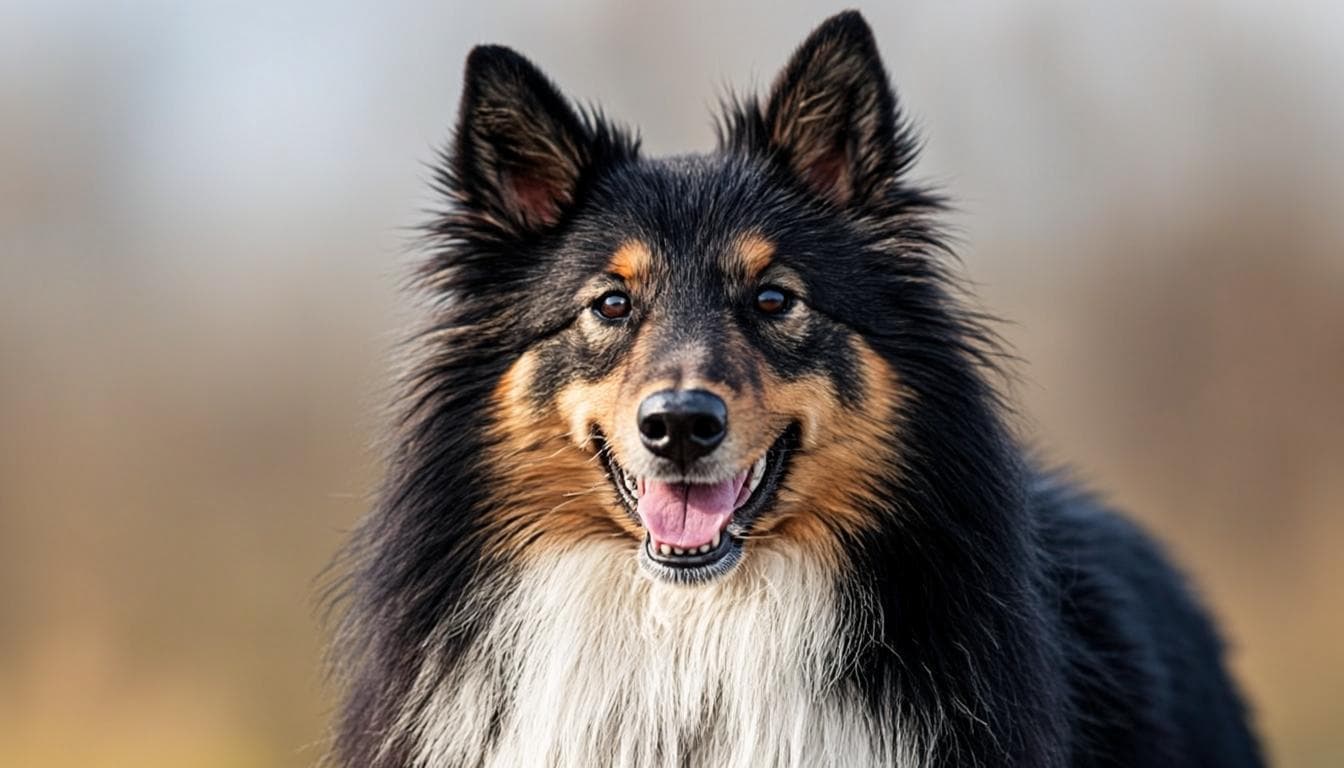
More than appearance, it is temperament that defines life with a Biewer Terrier. They are bred to be companions, and they take that role seriously.
The breed is affectionate, cheerful and deeply attached to its family. Most Biewer Terriers are quick to greet, eager to be involved, and happiest when they are part of whatever is happening — from a quiet evening on the sofa to a busier weekend with visitors.
They are alert enough to let you know when someone is at the door, without being a breed defined by excessive barking. Like any small dog, their vocalisation depends heavily on how they are raised, socialised and managed.
Of course, every dog is an individual. These are general tendencies, not guarantees.
The Biewer Terrier forms close bonds with its family and seeks out physical closeness — a lap, a shoulder, a place beside you on the sofa.
Most Biewer Terriers carry a bright, cheerful disposition. They greet their people with evident delight and bring a lively energy to the home.
This is a breed that wants to be with its people. They do not do well when isolated or left alone for long periods and thrive as part of daily family life.
Biewer Terriers are alert and will announce visitors, but they are not generally a 'yappy' breed when their needs for stimulation and companionship are met.
The Biewer Terrier's devotion is one of its loveliest qualities — and one that comes with responsibility.
Biewer Terriers tend to bond closely with their family, and often with one or two people in particular. This loyalty is endearing and rewarding, but it means the breed is not well-suited to homes where it will be alone for most of the day. A lonely Biewer Terrier is rarely a happy one.
They can be wonderful family dogs in homes with considerate children. Because of their small size, interactions with young children should always be supervised, and children should be taught how to handle a small dog gently. A Biewer Terrier is not a plaything, and rough handling can quickly damage trust.
With proper socialisation, most Biewer Terriers accept other pets in the household and greet visitors with curiosity rather than alarm. Early, gentle exposure is the most reliable way to build an adaptable adult dog. We discuss socialisation further in our Puppy Journey.
Genetics set the potential; raising shapes the reality.
A well-bred Biewer Terrier with the right early socialisation, consistent handling and a stable home will usually display the breed's best qualities. The same dog, raised without structure or socialisation, can become anxious or vocal. Breed tendencies are a starting point — not a finished portrait of an individual dog.
Read on to understand the care the breed requires, or speak with us about whether a Biewer Terrier would suit your home.